



Live Dental Webinars
(Showing Next 5 Upcoming)
|
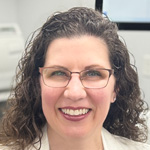
Full SPEED Ahead from STML to SPEED: Lessons Learned from Eight Years of Digital Dentistry
Presenter: Dr. Lincoln Fantaski
Sponsor: Kuraray Noritake
| Mon |
8/31/26 |
7:00 PM ET
4:00 PM PT
|
| Mon |
8/31/26 |
11:00 PM UTC
|
|
CE Credits: 1 Interactive CEU
|
|
Join us for Full SPEED Ahead: From STML to SPEED - Lessons Learned from 8 Years of Digital Dentistry, a webinar exploring the evolution of multilayer zirconia and its impact on modern digital restorative workflows. This CE webinar will review how optimized milling and sintering protocols can help reduce turnaround times while maintaining esthetic and functional outcomes. Participants will gain practical strategies for implementing high-speed zirconia workflows that improve efficiency, profitability, and the patient experience. The discussion will also highlight how expanded shade options can simplify treatment planning and inventory management in a digital practice.
|
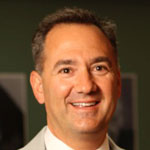
CO2 versus Er:YAG – The Battle of Two Dragons
Presenter: Dr. Georgi Tomov
Sponsor: Light Instruments
| Tue |
9/1/26 |
7:00 PM ET
4:00 PM PT
|
| Tue |
9/1/26 |
11:00 PM UTC
|
|
CE Credits: 1 Interactive CEU
|
|
The current technological advances led to creating of all-tissues lasers for dental use like Er:YAG and CO2. However, these lasers have different characteristics based on their wavelength and main chromophores. While the Er:YAG laser is absorbed mainly by water and less by hydroxyapatite, the CO2 laser(s) are predominantly absorbed by hydroxyapatite and less by water. These differences are giving specific tissue interactions providing advantages and disadvantages in the context of different procedures. In contrast with Er:YAG laser the CO2 laser can ensure absolute hemostasis which is essential for the bleeding control but this is not desirable during the flap surgery where the tissue vitality is essential for the final success of the therapy. The caries treatment is also a challenge for the CO2 laser because of the highest absorption in the hydroxyapatite which is resulting in superficial energy concentration and melting. And while the melted surface is preferred for treatment of dentinal hypersensitivity, in the context of caries treatment it could affect negatively the adhesive strength. These and many other aspects of laser-assisted treatment will be discussed in this lecture illustrated by relevant clinical cases and supported by evidence-based scientific data.
|
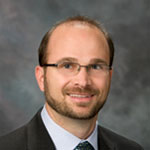
Beyond Bonding: The Next Evolution of Restorative Dentistry
Presenter: Dr. Todd Snyder
Sponsor: Pulpdent
| Wed |
9/2/26 |
7:00 PM ET
4:00 PM PT
|
| Wed |
9/2/26 |
11:00 PM UTC
|
|
CE Credits: 1 Interactive CEU
|
|
Discover how preparation design, adhesive protocols, and bioactive restorative materials work together to create stronger, longer-lasting, more predictable restorations. Adhesive dentistry has transformed the way we restore teeth, but successful restorative treatment requires more than simply creating a strong bond. Material selection, preparation design, isolation, and an understanding of how restorative materials interact with the oral environment all play a critical role in long-term clinical success. This CE webinar explores the evolution of restorative dentistry beyond traditional adhesive concepts and examines how bioactive restorative materials can contribute to durable, predictable outcomes. Through evidence-based principles, clinical techniques, and real-world case presentations, participants will gain practical strategies for improving efficiency, reducing failures, and selecting restorative materials that support both the restoration and the surrounding tooth structure.
|
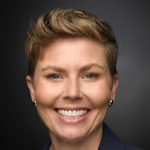
Elevating Soft-Tissue Dentistry with the 9.3-Micron CO2 Laser
Presenter: Dr. Yooson Kim
Sponsor: Convergent Dental
| Thu |
9/3/26 |
7:00 PM ET
4:00 PM PT
|
| Thu |
9/3/26 |
11:00 PM UTC
|
|
CE Credits: 1 Interactive CEU
|
|
Why send procedures out when you can treat them confidently in your own practice? With the 9.3-Micron CO2 laser, clinicians can perform a wide range of soft and osseous tissue procedures in a way that is efficient, minimally invasive, and patient-friendly. In this CE webinar, Dr. Yooson Kim will explore how this technology supports clean, precise procedures with reduced bleeding and minimal need for sutures, while elevating the overall patient experience. Discover how incorporating these techniques can expand your scope of care with procedures like gingivectomies, frenectomies, crown lengthening, and more.
|
Same-Day Digital Dentures: A Live Clinical Case Demonstration
Presenter: Dr. Nitish Surathu and Dr. Neeraj Surathu
Sponsor: Rapid Shape
| Tue |
9/8/26 |
7:00 PM ET
4:00 PM PT
|
| Tue |
9/8/26 |
11:00 PM UTC
|
|
CE Credits: 1 Interactive CEU
|
|
This CE webinar provides a comprehensive overview of the complete digital denture workflow, from patient evaluation and intraoral scanning to CAD design, 3D printing, post-processing, and final delivery. Through live demonstrations and practical clinical guidance, participants will learn how to identify appropriate cases for digital dentures, capture accurate digital impressions, design dentures using CAD software, and prepare files for 3D printing. The webinar also explores validated printing materials, finishing protocols, and chairside delivery techniques, equipping clinicians with the knowledge to incorporate an efficient, predictable digital denture workflow into everyday practice.
Featured On-Demand CE Webinars
Difficulty swallowing (dysphagia) affects your quality of life and your overall health. The ability to safely swallow is vital for adequate nutrition and hydration, and it prevents foods and liquids from entering your lungs, where they can cause pneumonia. Depending on which part of the swallowing process is affected, dysphagia can be described as:
• Oral dysphagia — when the problem is in the mouth, usually due to the movement of the tongue
• Pharyngeal or oropharyngeal dysphagia — when the problem is regarding food passing through the throat
• Esophageal dysphagia — when food is unable to move down through the esophagus
Swallowing disorders can lead to tooth decay and other oral health issues if they cause food or liquid to remain in the mouth. This can increase the risk of cavities and other oral diseases.
This CE webinar provides a comprehensive overview of dental trauma in children. It covers the various types of injuries affecting primary and immature permanent teeth. A clear, systematic approach to diagnosis and treatment will be presented, along with practical tips for effective behavior management and setting realistic expectations with concerned parents.
Discover the differences between automatic and manual interproximal reduction. In the last 20 years there has been a major development in the use of clear aligners and functional concepts applied to orthodontic treatments, both on children and adult patients. A key element is interproximal enamel reduction, a fundamental practice to recover the interproximal space in order to facilitate teeth movement in orthodontic treatments and to insure clean and accurate procedures in Class II patients especially dealing in the posterior sectors. The main technology contributing, not only to obtaining excellent results, but to raise the level of care and protection towards patients is automatic IPR, helping clinicians to maintain excellent control, avoid over-reductions, avoid severe damages and excessive pressure applied to the patient during treatment; all factors that manual or obsolete techniques may cause.
Featured Podcast Episodes
Series: VOCO America
CE Credits: 0.5
Guest: Dr. Susan McMahon
|
In today’s episode, we’re sitting down with Dr. Susan McMahon to talk about a piece of technology that’s truly changed the way she practices dentistry—the 3D printer. From printing precise dental models to fabricating occlusal guards with ease, we’ll dive into how this powerful tool is streamlining everyday tasks and bringing new levels of efficiency and accuracy to the dental office.
Series: VOCO America
CE Credits: 0.5
Guest: Dr. Ryan Walsh
|
This episode addresses how MTA—mineral trioxide aggregate—can be used as both an indirect and direct pulp cap and is ideal for perforations. MTA isn’t just an endodontist's material—it’s very much a general dentist’s material as well. Especially now, as more of us focus on minimally invasive dentistry and are doing everything we can to preserve the natural tooth. Our guest is Dr. Ryan Walsh, who maintains a full time private practice in Keller, TX. He is a Diplomate of the American Board of Endodontics (ABE) and serves on the Scientific Advisory Board of the Journal of Endodontics. Dr. Walsh maintains an appointment as Adjunct Assistant Professor at Texas A&M College of Dentistry and is actively involved in clinical research pertaining to bioactive materials, resorption processes, and clinical outcomes. He has lectured nationally and internationally on several topics in his specialty and has published multiple peer-reviewed articles and abstracts.
Series: Premier Dental
CE Credits: 0.5
Guest: Dr. Lundon Albrecht
|
The reality is, many patients simply can’t afford traditional, lab-fabricated veneers. And without a more affordable option, they do nothing and continue living with a smile they’re not happy with. But now, there’s a solution. With a product called VeneerNow, dentists can offer a beautiful, life-changing makeover that’s easy to do, completed in a single visit, and well within reach for most patients. Dr. Lundon Albrecht shares with us how this easy-to-use veneer system has been a game-changer for his practice.