Live Dental Webinars
(Showing Next 5 Upcoming)

|
 From Inspection to Resolution 2026: Real Cases of How Dental Practices Navigated OSHA Investigations From Inspection to Resolution 2026: Real Cases of How Dental Practices Navigated OSHA Investigations
Presenter: Dr. Karson Carpenter
Sponsor: Compliance Training Partners
| Wed |
10/28/26 |
7:00 PM ET
4:00 PM PT
|
| Wed |
10/28/26 |
11:00 PM UTC
|
|
CE Credits: 1 Interactive CEU
|
|
In this one-hour CE webinar, Dr. Karson Carpenter, president of Compliance Training Partners, will review actual OSHA inspection cases that he and his technical team have been involved with in the last 12 months. The webinar will show actual citations and how the inspection progressed from notification of inspection to onsite visit, receipt of fine, and resolution.
|
Digital Workflows for Predictable Adult Orthodontic-Restorative Treatment Implementing a Digital Ecosystem
Presenter: Dr. Melissa Shotell
Sponsor: ClearCorrect
| Thu |
10/29/26 |
7:00 PM ET
4:00 PM PT
|
| Thu |
10/29/26 |
11:00 PM UTC
|
|
CE Credits: 1 Interactive CEU
|
|
Adult patients are the largest growing population seeking orthodontic treatment. Many adult patients seek clear aligners as an esthetic alternative to traditional bracket and wire treatment. Yet many adult patients present with complex restorative treatment needs that can be complimented by orthodontic treatment for improved clinical outcomes with interdisciplinary treatment plans. Adult patients require a different patient experience and seek convenient and efficient treatment. The course will cover the basics of aligner design, materials, and mechanical advantages to understand the importance of product selection in complex adult treatment plans. The CE webinar will also explore the digital workflow and digital ecosystem for office efficiency and optimal patient experience. After the webinar, the attendee should be able to evaluate and select an aligner system for complex interdisciplinary cases, and evaluate how to implement a digital workflow for enhanced treatment planning and patient experience.

|
Smarter Smile Design: Align, Whiten, and Restore
Presenter: Dr. Nicholas Garcia
Sponsor: uLab Systems
| Mon |
11/2/26 |
7:00 PM ET
4:00 PM PT
|
| Tue |
11/3/26 |
0:00 AM UTC
|
|
CE Credits: 1 Interactive CEU
|
|
In this CE webinar, join Dr. Nicholas Garcia for a practical discussion on integrating clear aligners into everyday esthetic dentistry - particularly for patients considering whitening, veneers, or other cosmetic improvements. Using a scan-first approach, Dr. Garcia will demonstrate how he evaluates tooth position, spacing, and occlusion before developing a treatment plan. Attendees will learn how to determine when to align, when to restore, and when combining treatments may create a more conservative and predictable path to the desired esthetic outcome. The webinar will provide a straightforward framework for recognizing anterior esthetic aligner opportunities, sequencing complementary services, and confidently presenting comprehensive treatment options to patients.

|
Oral Cancer Screening: It’s More Than Grasping the Tongue
Presenter: Susan Cotten, BSDH, RDH, OMT
Sponsor: VOCO America
| Tue |
11/3/26 |
7:00 PM ET
4:00 PM PT
|
| Wed |
11/4/26 |
0:00 AM UTC
|
|
CE Credits: 1 Interactive CEU
|
|
Both dental hygienists and dentists play an important role in the early detection of oral cancer, yet there is a critical gap in screening protocols. After performing an oral cancer screening, patients often say, "No one has ever done that before." This CE webinar breaks down the components of a comprehensive visual and tactile, extraoral, and intraoral evaluation, and the signs and symptoms associated with oral and oropharyngeal cancer as an important component in screening. Using Susan’s instructional screening videos and case presentations, attendees will learn proper extraoral palpation, the importance of identifying lymphadenopathy, evaluation of the thyroid gland, and the oropharynx. ADA and ADHA oral cancer policies and coding will be reviewed.
A comprehensive oral cancer screening isn’t optional. Let’s close the gap together, elevate the standard of care in screening, calibrate dental professionals nationwide, and increase early detection. Attendees will leave inspired and with a renewed commitment to performing this life-saving evaluation – every patient, every visit.

|
Composite Secrets They Never Taught You In Dental School (and Still Don’t)
Presenter: Dr. Michael Morgan
Sponsor: Bisco
| Wed |
11/4/26 |
7:00 PM ET
4:00 PM PT
|
| Thu |
11/5/26 |
0:00 AM UTC
|
|
CE Credits: 1 Interactive CEU
|
|
Direct resin has become one of the restorative materials of choice in both general and high-end esthetic practices. The explosion of demand by patients for esthetic dental services has led to an array of new dental products and treatments for practitioners to choose from. A new generation of composite resins can be utilized with a simplified protocol to create amazing anterior and posterior restorations that rival the beauty and strength of porcelain.
Featured On-Demand CE Webinars
Dental providers are often unsure how to leverage the hygiene department and grow the business. There’s never been a better time to revolutionize this approach! Tiffany Wuebben, RDH shares systematic methods that combat today's dental practice challenges, support patient health, and significantly improve career satisfaction and the financial success of the practice.
In this CE webinar, we will engage in a collaborative approach to developing the mission/vision and patient care protocols for the hygiene-driven practice. We'll also discuss a method to revolutionize your hygiene schedule with a 100% reappointment rate. Next, we'll explore the steps to increase capacity through patient advocacy, recall, reactivation, reviews and better patient-practice relationships. We will also help you to recognize adjunct procedures that boost patient care and identify empowering practice strategies that transform the hygienist into a true “Hygienepreneur.” Finally, we'll highlight the proactive steps that professionals can take to build a thriving “hygiene practice within a practice" and develop the knowledge and skills to build a strong hygiene department leading to better clinical outcomes, greater case acceptance, all while maximizing the practice potential.
Risk assessments are the cornerstone of dental caries management, but there’s more to the process than filling out a form. If you feel stuck to a questionnaire, this presentation will help get you “off the page” and into a deeper conversation that changes behavior.
Have you ever thought that there may be a better way to provide dental hygiene care to our patients? Have you ever asked yourself why we are suffering from an oral health crisis in America in the year 2024? This CE webinar will help to provide a comprehensive approach to elevating the dental hygiene appointment for both the patient and the clinician using Guided Biofilm Therapy. This webinar will discuss utilizing the GBT protocol with your patients as a treatment for oral and systemic health. Sarah discusses the disconnect between dentistry and medicine as she helps to align the goals of the Dental Hygiene appointment and discussing the importance of effectively removing biofilm as the culprit that induces an inflammatory burden on the body. Sit back and listen as Sarah explains how to integrate the eight steps of Guided Biofilm Therapy into the Dental Hygiene appointment. Sarah has been using the guided biofilm therapy from EMS with exceptional results. Listen as she shares her tips and tricks on what to say to the patient and brings her expertise and knowledge on what we can do to enlighten our patients on the connection of oral health and systemic health.
Featured Podcast Episodes
 Series: Bisco
CE Credits: 0.5
Series: Bisco
CE Credits: 0.5
Guest: Dr. Gary Radz
|
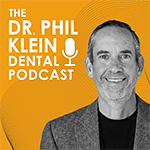
In this episode, Dr. Gary Radz shares his proven workflow for creating predictable, highly esthetic porcelain veneers—from diagnostic wax-ups and lifelike temporaries to try-in protocols, isolation, bonding, and cement selection that removes the guesswork from veneer delivery. Dr. Radz also explains why the case isn't over once the veneers are seated. He discusses the importance of the post-insertion visit. If you do veneers, you won't want to miss this episode. A lot on workflow!
Series: Bisco
CE Credits: 0.5
Guest: Dr. Scott Coleman
|
In this episode, we’ll explore evidence-based strategies for pulp protection, discuss when and how to use liners, and break down adhesive dentistry protocols that can significantly reduce the risk of post-op sensitivity. Joining us is Dr. Scott Coleman, a general dentist who has practiced in Houston, Texas, for over 40 years. A graduate of the University of Texas Dental School, Dr. Coleman is a respected key opinion leader, sought-after speaker, and past president of the Academy of General Dentistry.
 Series: VOCO America
CE Credits: 0.5
Series: VOCO America
CE Credits: 0.5
Guest: Dr. Susan McMahon
|
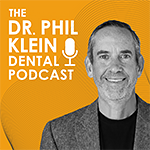
In today’s episode, we’re sitting down with Dr. Susan McMahon to talk about a piece of technology that’s truly changed the way she practices dentistry—the 3D printer. From printing precise dental models to fabricating occlusal guards with ease, we’ll dive into how this powerful tool is streamlining everyday tasks and bringing new levels of efficiency and accuracy to the dental office.









 Hygiene Mastery: Soaring to Success with the Power of Hygiene